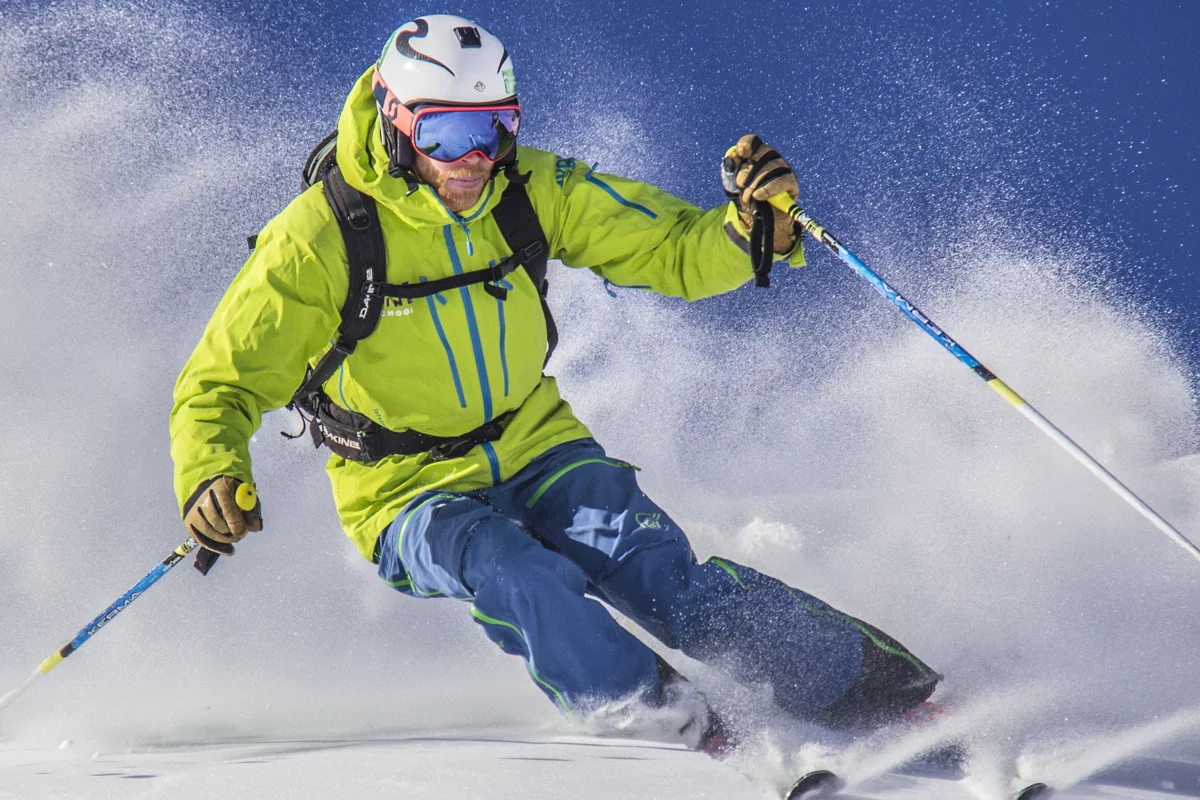
Ski resorts operate in an environment where natural terrain, weather, speed, and changing snow conditions create unavoidable risks. State ski laws often divide responsibility between resort operators and skiers rather than treating every accident as evidence of resort negligence.
The specific rules vary significantly by state, making location one of the first issues to identify after a skiing or snowboarding injury.
Why Ski Laws Differ From Ordinary Premises Claims
Many ski states have statutes specifically addressing skier conduct, inherent risks, trail markings, collisions, lifts, and operator responsibilities. These statutes can change how ordinary negligence principles apply.
Colorado’s 2025 legislative materials, for example, identify statutory skier duties under section 33-44-109, including rules involving closed terrain and conduct following injury-producing collisions. Colorado General Assembly ski-law guidance
Trail Warnings and Resort Responsibilities
A resort’s duties may include marking certain hazards or boundaries, maintaining required signs, operating lifts according to applicable standards, and complying with state regulatory requirements.
Skiers researching an accident may encounter broader web listings mixed among resort pages and general discussions. The legally important materials are usually the governing ski statute, official trail information, incident reports, and evidence from the location itself.
Natural and Man-Made Hazards Can Be Treated Differently
Trees, changing snow, uneven terrain, and other conditions may fall within statutory concepts of inherent skiing risk in some jurisdictions. A malfunctioning lift component, improperly marked closure, or operational mistake can raise a different analysis.
The distinction is highly fact-specific.
Lift Safety and Operator Conduct
Lift accidents may involve loading procedures, maintenance, mechanical systems, employee actions, or passenger behavior. Regulatory responsibilities differ among states and may involve specialized inspection requirements.
General online editorial sources should not be confused with official lift-safety requirements. Records such as inspection documents, maintenance histories, employee statements, and operating procedures can be much more important when determining whether an avoidable hazard existed.
| Issue | Typical Question | Possible Importance |
|---|---|---|
| Trail sign | Was a warning required and visible? | May affect notice arguments |
| Lift operation | Was procedure followed? | May indicate operational negligence |
| Collision | Who was uphill or out of control? | May affect skier responsibility |
| Closed terrain | Was access prohibited? | Can affect comparative fault |
Skier Responsibilities Matter Too
Skiers are commonly expected to maintain reasonable control, obey closures and signs, and act safely around others. Exact duties depend on the governing statute.
Reports of skiing accidents may also appear on local publication sites, but factual reporting does not resolve legal fault. Trail position, witness accounts, speed, visibility, signage, and applicable statutory duties usually require closer examination.
Common Assumptions That Cause Problems
A serious injury does not necessarily mean the resort violated a legal duty. Skiing includes substantial risks that statutes or courts may recognize as inherent in the activity.
It is equally inaccurate to assume resorts can never be liable because skiing is dangerous. Claims involving equipment, lifts, employees, warnings, or hazards outside protected categories may be evaluated differently.
When a Ski Accident May Need Legal Review
Legal help may be especially useful after a collision causing major injury, a lift incident, an accident involving disputed signage, or an event where evidence may disappear.
Photograph terrain and signs when safely possible, preserve lift tickets and electronic records, obtain witness information, and request copies of incident documentation. Weather and trail conditions can change quickly, making early evidence especially useful.
Frequently Asked Questions
Can a skier sue another skier after a collision?
Potentially. State ski statutes often address skier-to-skier collisions separately from inherent terrain risks. Liability may depend on conduct, positioning, control, statutory duties, and comparative-fault rules.
Is a ski resort responsible for every unmarked hazard?
No. State laws often distinguish inherent skiing risks from hazards for which warnings or other precautions may be required. The classification depends on the jurisdiction and circumstances.
Do ski-ticket waivers prevent injury claims?
They may affect a claim, but enforceability and scope vary by state. Ticket language should be considered together with applicable ski statutes, contract rules, and the conduct alleged.
Document the Conditions That Existed
Ski cases often turn on details that disappear once weather changes, trails are groomed, signs move, or equipment is serviced. Preserving evidence and identifying the governing state statute early can make the legal issues much clearer.
This article provides general legal information and is not a substitute for advice from a qualified attorney regarding a specific matter.