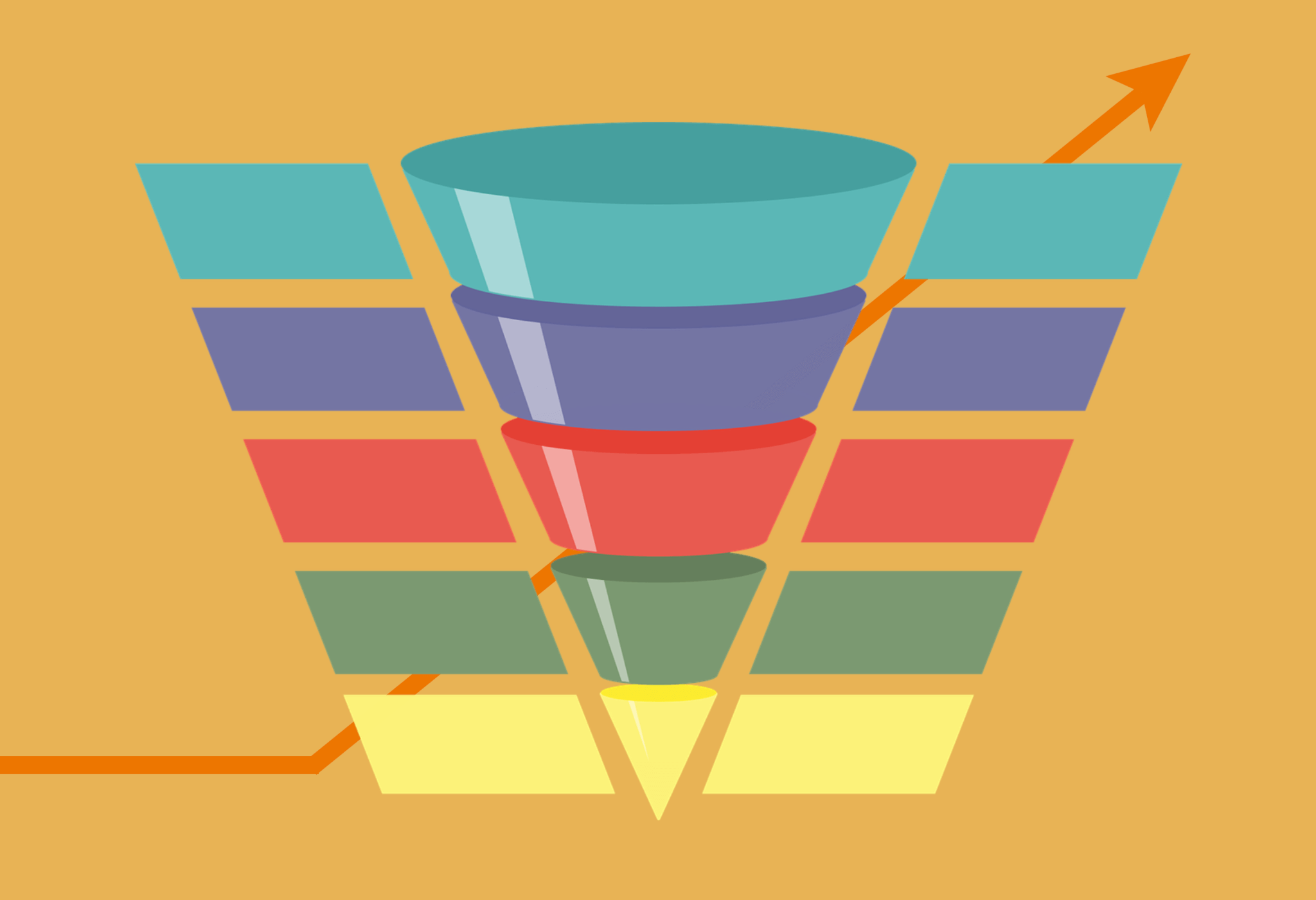
A sales funnel works when each stage removes uncertainty and gives a prospect a sensible reason to continue. Effective sales funnel strategies don’t pressure every visitor into buying immediately. They help people move from awareness to interest, evaluation, and purchase with fewer unnecessary obstacles.
The key is understanding why qualified prospects stop moving and fixing those points systematically.
Build the Funnel Around Buyer Intent
Someone reading an introductory article has different needs from someone comparing prices. Treating both visitors the same often produces weak conversion rates.
Early-stage prospects need clarity and education. People closer to purchasing usually need proof, product details, implementation information, pricing context, or a clear way to speak with sales.
Resources covering audience influence strategy can also reinforce a useful funnel principle: credibility should develop before a strong sales request appears.
Capture Leads With a Clear Exchange
Lead generation works better when the visitor understands what they receive in return for their information. A useful checklist, calculator, consultation, product demo, template, or practical email series gives the exchange a clear purpose.
Avoid requesting unnecessary information at the first interaction. Every extra field creates another opportunity for someone to leave.
Qualify Without Creating Friction
A short form can begin the relationship, while later interactions collect deeper information. Behavioral signals such as pricing-page visits, demo requests, repeat sessions, and email engagement can also indicate readiness.
That allows sales teams to spend more time on people showing genuine buying intent.
Improve the Middle of the Funnel
Many funnels fail between lead capture and the sales conversation. Prospects receive generic messages, wait too long for follow-up, or get content unrelated to their problem.
Studying revenue conversion ideas is useful here because small improvements at several funnel stages can multiply. Improving only traffic while leaving the middle of the funnel weak often increases waste instead of sales.
| Funnel Stage | Prospect Need | Useful Response |
|---|---|---|
| Awareness | Understand the problem | Educational content |
| Interest | Explore possible solutions | Guides or case examples |
| Evaluation | Compare choices | Demo, pricing, proof |
| Decision | Reduce final uncertainty | Clear offer and follow-up |
Make the Buying Step Simple
Confusing pricing, slow replies, unclear contracts, poor mobile forms, and complicated checkout processes can lose customers who were already interested.
A strong decision stage answers practical questions quickly. What does the buyer receive? What happens after purchase? How long does setup take? What support is included?
Ideas around commercial growth planning can also be applied to funnels by viewing customer acquisition as a repeatable system rather than a series of isolated campaigns.
Funnel Mistakes That Waste Good Leads
More leads don’t automatically mean more customers. Poor targeting can fill a database with people who were never realistic buyers.
Another common error is sending every lead the same sequence. A prospect researching a problem should not receive the same message as someone who requested a quote yesterday. Timing, intent, and behavior should shape the follow-up.
Frequently Asked Questions
How long should a sales funnel be?
The funnel should be only as long as the buying decision requires. Low-cost products may convert quickly, while complex B2B services often need education, internal approval, demonstrations, and several conversations.
What is the most important sales funnel metric?
No single metric tells the whole story. Track conversion between stages, lead quality, customer acquisition cost, sales cycle length, and final revenue so weak points can be identified accurately.
Can automation replace sales follow-up?
Automation can handle reminders, segmentation, lead nurturing, and routine education. Human interaction remains valuable when buyers have complex questions, require negotiation, or need confidence before making a higher-value purchase.
Remove the Next Barrier
The strongest funnel improvements usually begin with one question: where are qualified prospects dropping out?
Find that stage, study the reasons, and remove unnecessary friction before spending more money on traffic. A smaller funnel that moves the right people forward consistently can outperform a much larger funnel filled with weak leads.