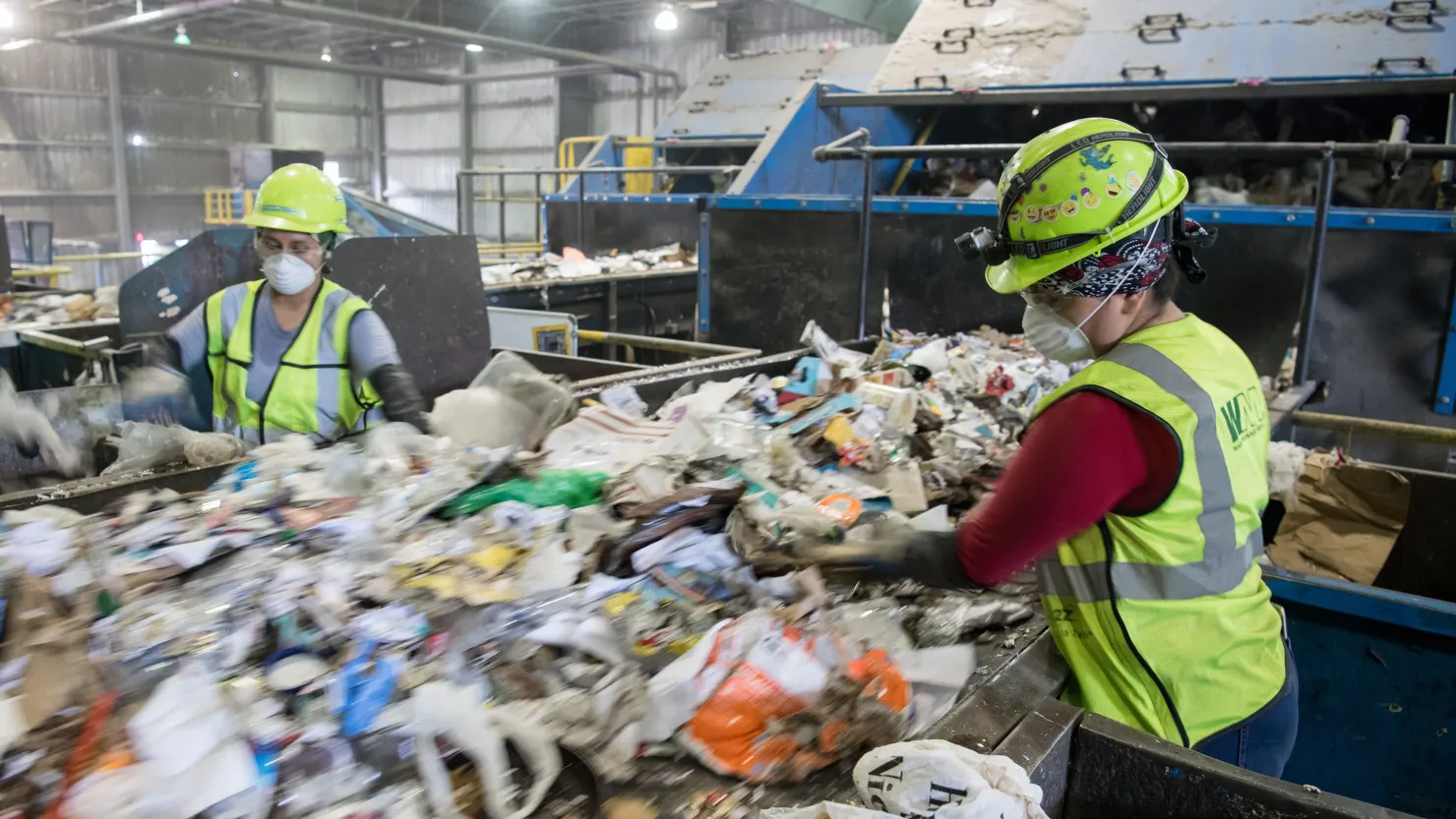
Industrial waste cannot always be treated like ordinary trash. Federal and state rules may control how waste is identified, accumulated, labeled, stored, transported, documented, and ultimately recycled, treated, or disposed of.
The legal obligations depend heavily on what the waste contains and how much the facility generates.
Hazardous Waste Status Changes the Rules
The federal Resource Conservation and Recovery Act framework regulates hazardous waste from generation through later management. EPA requirements differ according to generator category and the particular waste involved.
EPA’s hazardous waste generator regulatory summary identifies different requirements for very small, small, and large quantity generators, including recordkeeping, reporting, and shipment obligations.
States authorized to operate hazardous waste programs may impose requirements that are more stringent than the federal baseline. Facilities therefore need to check both federal rules and the applicable state program.
Storage Begins With Correct Waste Identification
A common compliance failure happens before a drum enters a storage area: the company incorrectly identifies the waste.
Personnel may review regional online publications and other outside material when researching environmental matters, but waste classification should be based on the regulatory criteria and facility-specific facts.
Once hazardous waste requirements apply, accumulation areas may be subject to container, labeling, inspection, emergency preparedness, time-limit, and documentation rules. Requirements vary with generator status and the type of waste.
Mixing incompatible materials or leaving containers unidentified can turn a routine waste-management issue into a much more serious safety and compliance problem.
Manifests and Disposal Records Create Traceability
Off-site hazardous waste shipments commonly involve the RCRA manifest system. EPA explains that hazardous waste generators generally must retain signed manifest records for at least three years under 40 CFR 262.40.
A facility may encounter broader local reporting material while following environmental issues, but shipment records should come from the regulated waste-management process itself.
| Document | Purpose | Typical Concern |
|---|---|---|
| Waste determination | Identifies regulatory status | Misclassification |
| Manifest | Tracks off-site shipment | Missing or inconsistent data |
| Inspection record | Documents storage checks | Uncorrected problems |
| Disposal record | Shows destination | Poor vendor traceability |
Large quantity generators also have federal biennial reporting duties. EPA states that covered facilities report information on hazardous waste generated and its disposition.
Using a Contractor Does Not End Every Risk
Hiring a transporter or disposal company does not mean the generating facility can ignore where waste goes. Vendor qualification, permits, shipping documents, waste descriptions, and returned records deserve review.
Environmental teams may read broader regional coverage as part of ordinary research, but regulatory decisions should rest on official requirements and verified facility records.
Contracts can allocate responsibilities between businesses, yet a contract does not necessarily erase statutory obligations imposed directly by environmental law.
Mistakes That Create Avoidable Exposure
One risky assumption is that a small quantity of industrial material cannot be hazardous waste. Regulatory status generally depends on the waste’s characteristics or listing and the applicable rules, not whether management considers the amount insignificant.
Another problem is poor housekeeping around accumulated waste. Unmarked containers, missing dates, damaged drums, incompatible materials, or undocumented inspections can indicate that the written waste program is not being followed.
Records should match physical conditions in the facility.
When Should Environmental Counsel Be Contacted?
Prompt advice may be useful after a significant spill, discovery of improperly stored hazardous waste, missing manifests, an agency inspection, notice of violation, shipment rejection, questionable disposal practices, or discovery that waste may have been misclassified for an extended period.
Facilities should preserve relevant records and determine whether immediate reporting or corrective duties apply. Those requirements can depend on the material, quantity, location, permit status, and state law.
Frequently Asked Questions
How long must hazardous waste manifests be kept?
EPA states that generators generally retain signed manifest records for at least three years, although other documents can have different periods and enforcement matters may affect retention requirements.
Does every industrial waste shipment require a hazardous waste manifest?
No. Manifest requirements depend on whether the material is regulated as hazardous waste and on the generator, shipment, destination, and applicable federal or state rules.
Can a company be responsible after a waste contractor takes the material?
Potential liability can extend beyond the moment waste leaves the property. The applicable statute, facility status, contract, waste destination, and conduct of the parties determine the actual exposure.
Control Waste From Generation to Final Records
A defensible waste program starts with accurate classification and follows the material through storage, shipment, and documented disposition. Confirm generator status, inspect accumulation areas, verify vendors, and keep records organized enough to answer agency questions quickly.
Waste may leave the facility, but the legal importance of its history can remain for years.
This article provides general legal information and is not a substitute for advice from a qualified attorney regarding a specific situation.