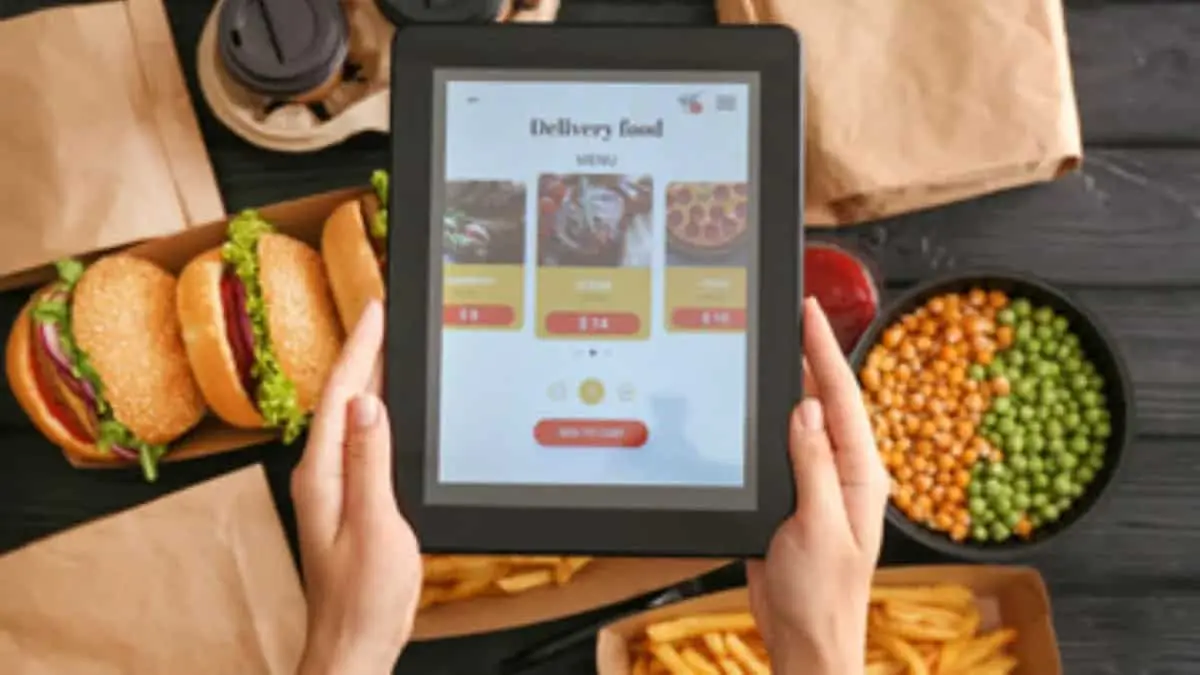
Food delivery apps sit between restaurants, customers, and drivers, which makes their legal obligations unusually layered. Platform fees may fall under consumer-protection rules, restaurant relationships can be governed by state statutes and contracts, and driver rights depend partly on worker-classification laws. Anyone evaluating a delivery app dispute should identify the party, transaction, and jurisdiction before assuming which rule applies.
What Laws Apply to Food Delivery Platforms?
There is no single federal statute governing every part of a food delivery app. Federal consumer law can address deceptive practices, while states and cities may regulate pricing disclosures, restaurant listings, commissions, driver pay, insurance, and other operational issues.
California, for example, has adopted requirements addressing food-delivery pricing and restaurant relationships, illustrating why national platforms may face different obligations in different locations.
General commercial pages such as an online retail reference may follow their own checkout structures, but food delivery companies must assess the rules specifically applicable to their services.
How Must Fees Be Disclosed?
The central legal concern is usually whether pricing information is truthful and whether material charges are disclosed before the customer commits to the transaction. A platform may use several labels for charges, but changing the name of a fee does not necessarily change how consumer law treats a misleading representation.
In 2026, the FTC sought comments on possible rules specifically addressing food and grocery delivery fees, including total price disclosures, variable fees, price differences, promotions, and unauthorized billing.
The same principle applies when consumers move between different online environments, including a specialty consumer site: the price representation for the transaction being completed should be evaluated on its own terms.
| Issue | Main Legal Question | Record to Review |
|---|---|---|
| Service fee | Was it clearly disclosed? | Checkout screen |
| Promotion | Were conditions stated? | Advertisement |
| Restaurant listing | Was authorization required? | Platform agreement |
| Driver status | Employee or contractor? | Actual work practices |
What Rules Cover Delivery Drivers?
Driver classification is one of the more complicated parts of app-based delivery law. A contract calling someone an independent contractor does not necessarily settle the issue because federal and state tests can examine the actual relationship.
As of September 2026, the U.S. Department of Labor had proposed replacing its 2024 federal independent-contractor regulation and stated that it was no longer applying the 2024 rule in investigations. The proposal continued to focus on the economic reality of the working relationship, while state classification tests may differ.
Content appearing on a digital media resource cannot determine worker status. Actual control, working conditions, applicable statutes, court decisions, and agency rules matter more than labels used online.
What Customer Disclosures Matter Most?
Customers should be able to identify what they are buying and what they will pay before confirming the purchase. Important information can include item prices, mandatory fees, taxes, delivery costs, optional tips, promotional conditions, and material restrictions.
A platform also should not charge for products or services that a customer never agreed to purchase. Consumers should retain screenshots when the final price appears different from the price represented earlier in checkout.
Where People Often Misread App Rules
One common mistake is assuming every charge called a “service fee” is unlawful. The existence of a fee is not necessarily the problem; disclosure, consent, accuracy, and applicable state law are often the key questions.
It is also risky to assume every driver has identical legal rights nationwide. State wage laws, local delivery ordinances, federal employment law, and the structure of the working relationship can produce different outcomes.
When Should a Dispute Be Escalated?
Businesses and workers may want legal guidance when classification affects substantial wages, taxes, insurance, benefits, or liability. Customers can consider regulatory complaints when they encounter repeated unauthorized charges, deceptive pricing, or unresolved billing problems.
Restaurants should preserve platform contracts and statements when questioning commissions, unauthorized listings, withheld payments, or contractual restrictions. Written documentation is much easier to evaluate than a verbal account months later.
Frequently Asked Questions
Are food delivery app service fees illegal?
Not simply because they exist. Legal concerns usually focus on whether fees were properly disclosed, accurately described, authorized, and compliant with the consumer-pricing laws applicable in that jurisdiction.
Are delivery app drivers employees?
Some may qualify as employees while others may be independent contractors. Classification depends on the governing legal test and the real working relationship rather than the title printed in an agreement.
Can a delivery platform list any restaurant it wants?
Not always. Some states regulate when platforms may list restaurants or use their menus and branding. Restaurants should check applicable state law as well as the platform’s contractual terms.
Check the Rule That Governs the Transaction
Food delivery app law changes significantly across jurisdictions, so a national platform policy should never be mistaken for the law itself. Customers, restaurants, and drivers should preserve transaction records and identify the applicable federal, state, and local rules before escalating a disagreement. For meaningful financial or employment disputes, jurisdiction-specific advice can prevent costly assumptions.
This article provides general legal information and is not a substitute for advice from a qualified attorney.